ECI Thailand — Enviro Chem IndustriesEnviro ChemIndustries

Enviro Chem Industries  /  Thailand · Singapore · Laos

Turning waste problems
into energy solutions.

Most operators bury waste or burn it. We take plastics, used oils, sludges, tyres and mixed refuse, and turn them back into fuel — premium grade oil, transport diesel, industrial solvents, heavy fuel oil and syngas.

Cracking temperature380–450°C
Plastic to liquid yield~75%
Series 10 throughput10t / day
Series 10 oil yield7,500L / day
Chemcycle · conversion line

Feed preparation, magnetic separation and thermal conversion on one continuous line.

What we do

Waste in. Fuel, power and materials out.

ECI designs, fabricates and operates turn-key chemical engineering systems for waste treatment and energy recovery. We run the plant ourselves, so we specify it as an operator rather than a vendor.

01 / RECOVER

Waste treatment & material recovery

Landfill mining and zero-waste systems that sort historic and fresh refuse, pulling metals and inerts out and routing each remaining stream to the process that suits it.

02 / CONVERT

Thermal conversion

Pyrolysis reactors crack polymeric waste into light hydrocarbon liquid — low sulphur, low wax. Designed, fabricated and operated in-house.

03 / REFINE

Distillation & product finishing

Atmospheric fractionation cuts recovered and waste-derived oil into white spirit, gas oil and heavy fuel oil, then polishes each cut to a saleable specification.

04 / GENERATE

Gasification & power

Gasification of refuse-derived fuel produces syngas at volume. Both gas and liquid fuel streams can drive generator banks for industrial estates or grid supply.

Process

Three routes in. One product slate out.

Not every waste stream needs the same treatment. Polymers are cracked, liquid hydrocarbon wastes go straight to fractionation, and the non-plastic remainder is gasified. All three converge on the same refining and power block.

01RECEIVE & SORT METALS & INERTS OUT 02SHRED & DRY 20–50 mm · DRIED 03O₂-LOCK FEEDER SCREW · N₂ PURGE INERT · O₂-FREE 04PYROLYSIS REACTOR EXTERNALLY FIRED · ~1 atm THERMAL CRACKING 380–450°C FIREBOX — FIRED ON PROCESS GAS VAPOUR 05CYCLONE CHAR FINES KNOCKOUT 06CONDENSER TRAIN STAGED — HEAVY THEN LIGHT CUTS 07PYROLYSIS OIL LOW SULPHUR · LOW WAX TOREFINING NON-CONDENSABLE GAS 08ACID GAS SCRUBBER HCl / H₂S REMOVED (CAUSTIC) PROTECTS BURNER & PRODUCT QUALITY CLEANED PROCESS GAS RECYCLED AS REACTOR FUEL SURPLUS GAS FLARED COOLED SCREW CARBON CHAR SILO · BRIQUETTED AS SOLID FUEL OXYGEN IS EXCLUDED, NOT EVACUATED — POLYMER IS CRACKED THERMALLY, NEVER COMBUSTED

Scroll the diagram sideways

Oxygen exclusion

Feed enters through a screw airlock under nitrogen purge. The reactor runs close to atmospheric pressure in an inert atmosphere — the polymer is cracked thermally, never burned.

Chloride control

Mixed plastic carries PVC, and PVC releases HCl when it cracks. Sorting removes what it can; a caustic scrubber takes out the rest before gas reaches the burner. That protects the firebox and keeps chloride out of the oil.

Self-firing, low emission

Scrubbed non-condensable gas fires the reactor, so the unit largely fuels itself once at temperature. Only surplus reaches the flare, and char leaves as a saleable solid fuel rather than as waste.

Products

What comes out is oil, gas and power.

Everything below starts as waste — material heading for a landfill, an incinerator or a disposal contractor. Each output is a specification-driven product with an existing industrial buyer, not a by-product looking for a market.

Route A / B / C are the three process routes shown above — tap any route tag to open its diagram.

Liquid fuels

Transport diesel

The middle cut off the fractionation column, clay-polished for colour and stability.

Route A + B200–350°C cut

Fleet · Haulage · Generator sets

Solvents

White spirit

The light overhead cut, recovered as an industrial solvent rather than blended away.

Route A + BBelow 200°C cut

Coatings · Cleaning · Manufacturing

Heavy fuels

Mazut / HFO

Column bottoms held in heated storage as bunker fuel and industrial heating oil.

Route A + BAbove 350°C cut

Marine · Boilers · Process heat

Gas

Syngas

Produced at volume by gasifying the non-plastic refuse that arrives alongside our polymer feed.

Route CCO + H₂

Gas engines · Process fuel

Solid fuel

Carbon char

The solid residue of cracking, cooled, screened and briquetted as a coal replacement.

Route ASolid residue

Heating · Gasifiers · Boilers

Power

Electricity

Gas and liquid fuel streams can drive generator banks for direct industrial supply or grid delivery.

Route CGas engine output

Industrial estates · Grid supply

Feedstock

The energy is already in the waste.

Plastic, tyres and used oil are all made from crude to begin with. They carry enormous stored energy that gets thrown away with them. Our job is to decide which recovery route each stream deserves — and to say plainly when the answer is none of them.

Route A / B / C — tap to open that process diagram.

AWaste plasticFrom landfill mining and fresh trash streams. Polyolefins crack cleanest; PVC is screened out.ROUTE A
BScrap tyresHigh-hydrocarbon rubber. Yields oil, steel wire and a high-carbon char with its own market.ROUTE A
CWaste & sludge oilUsed lubricants, tank bottoms and slop. Already liquid hydrocarbon — dewatered, then fractionated directly.ROUTE B
DRDF & mixed organicsPaper, textiles, biomass and general refuse. Poor pyrolysis feed, good gasifier feed.ROUTE C
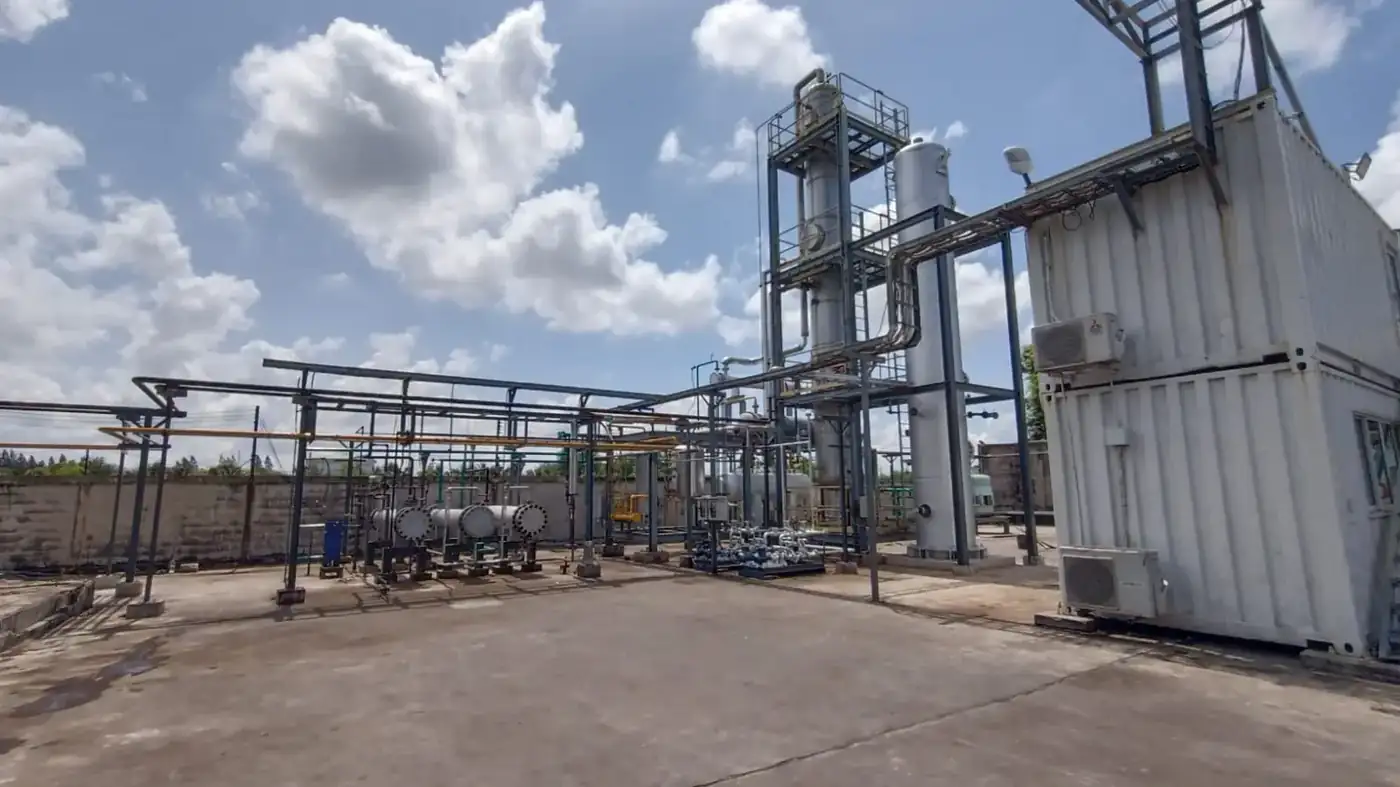
ECI process skid with containerised control room

Modular process skid with containerised control room

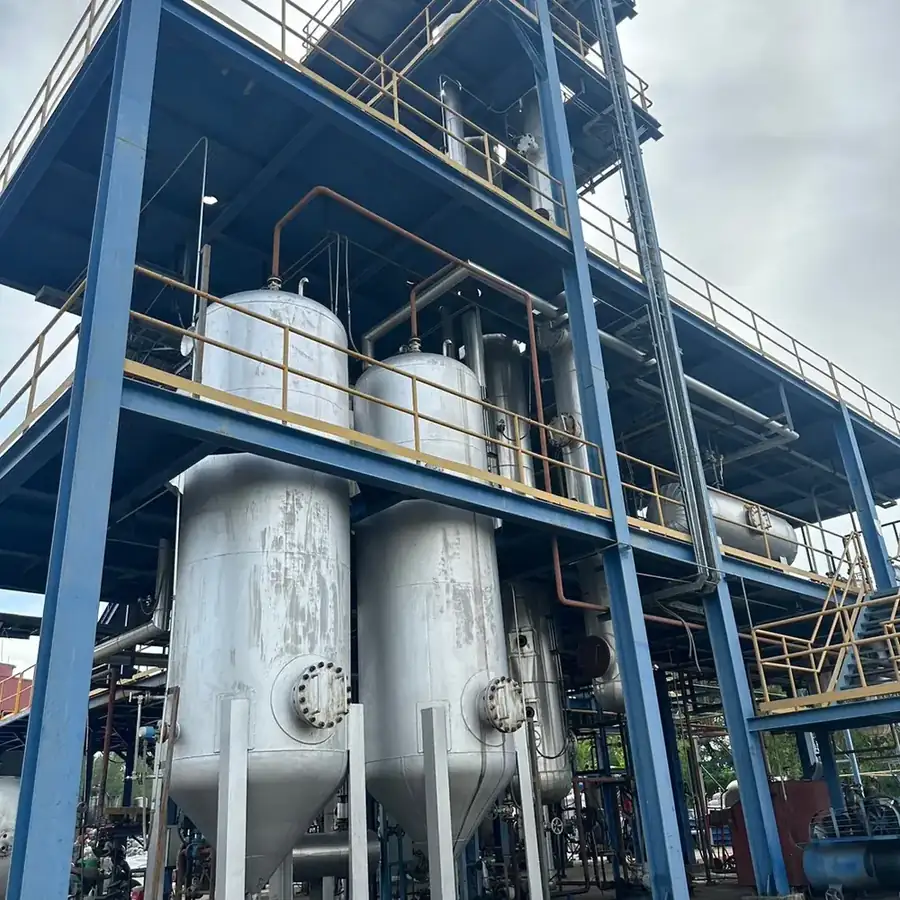
Process vessels at the ECI plant

Process vessels — Chemcycle

Operations

Built, fabricated and running across three countries.

ECI's operating base is Thailand, following the acquisition of an established Thai engineering and technology development company — now ECI (Thailand) Co., Ltd. Head office sits in Nakhon Ratchasima, and processing plants operate in Thailand, Singapore and Laos — each sited close to the waste streams that feed it.

Site

Plants in three countries

Reactor systems, distillation, tank farms, flare and control rooms across Thailand, Singapore and Laos — each site staffed by ECI technicians and sited near its feedstock supply.

Engineering

In-house fabrication

Pressure vessel and structural fabrication supplying both our own build programme and third-party clients across the region.

Research

R&D facility

Technical staff working with strategic partners drawn from academic research and industry across waste management, process engineering and petrochemicals.

Delivery

Modular & marine builds

Process trains built as transportable modules, including vessel-mounted installations for sites where a fixed plant is not the answer.

THThailand

Head office, engineering and fabrication, and processing plants.

Head office & plants

SGSingapore

Processing operations.

Processing plant

LALaos

Processing operations.

Processing plant

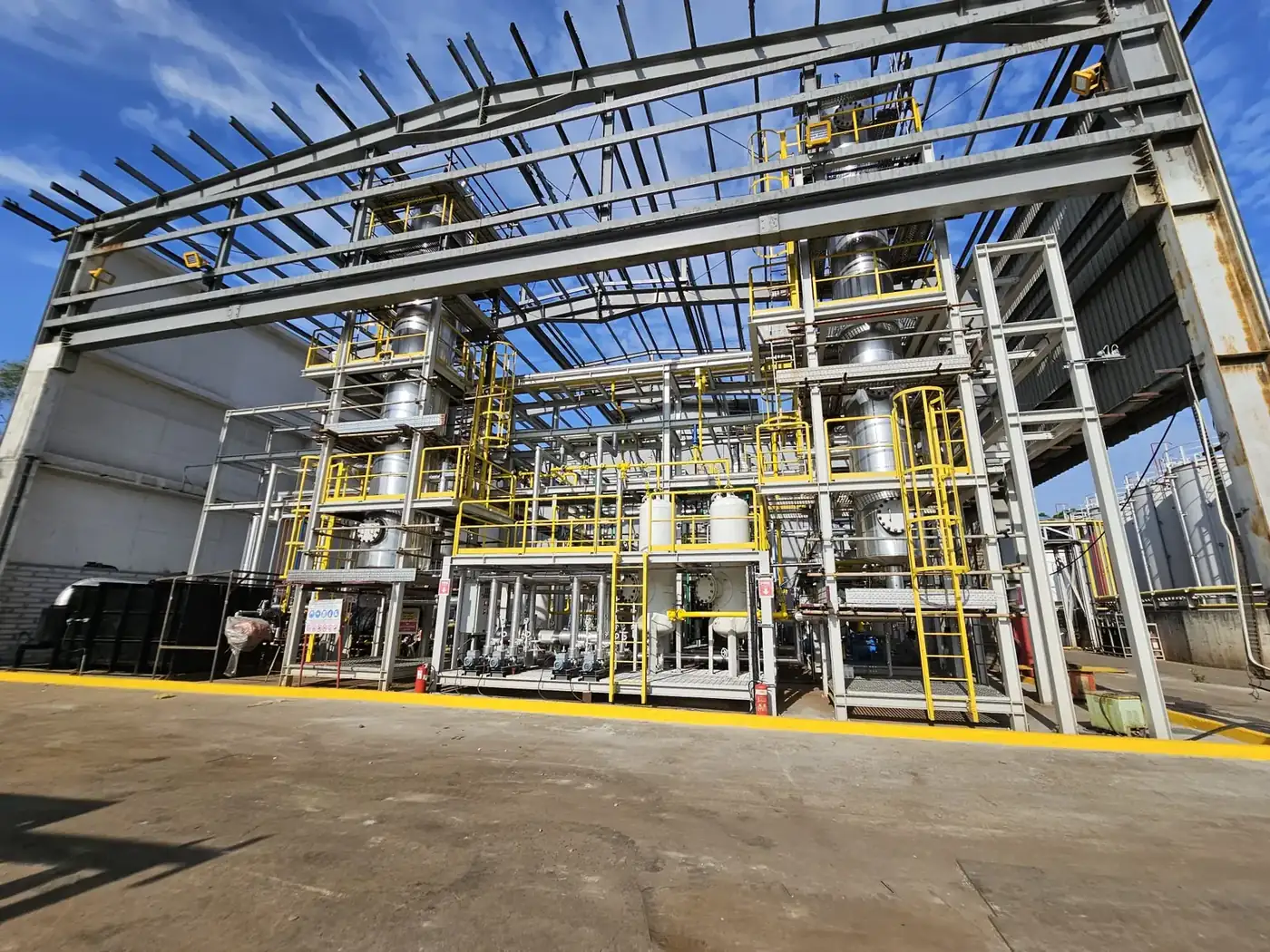
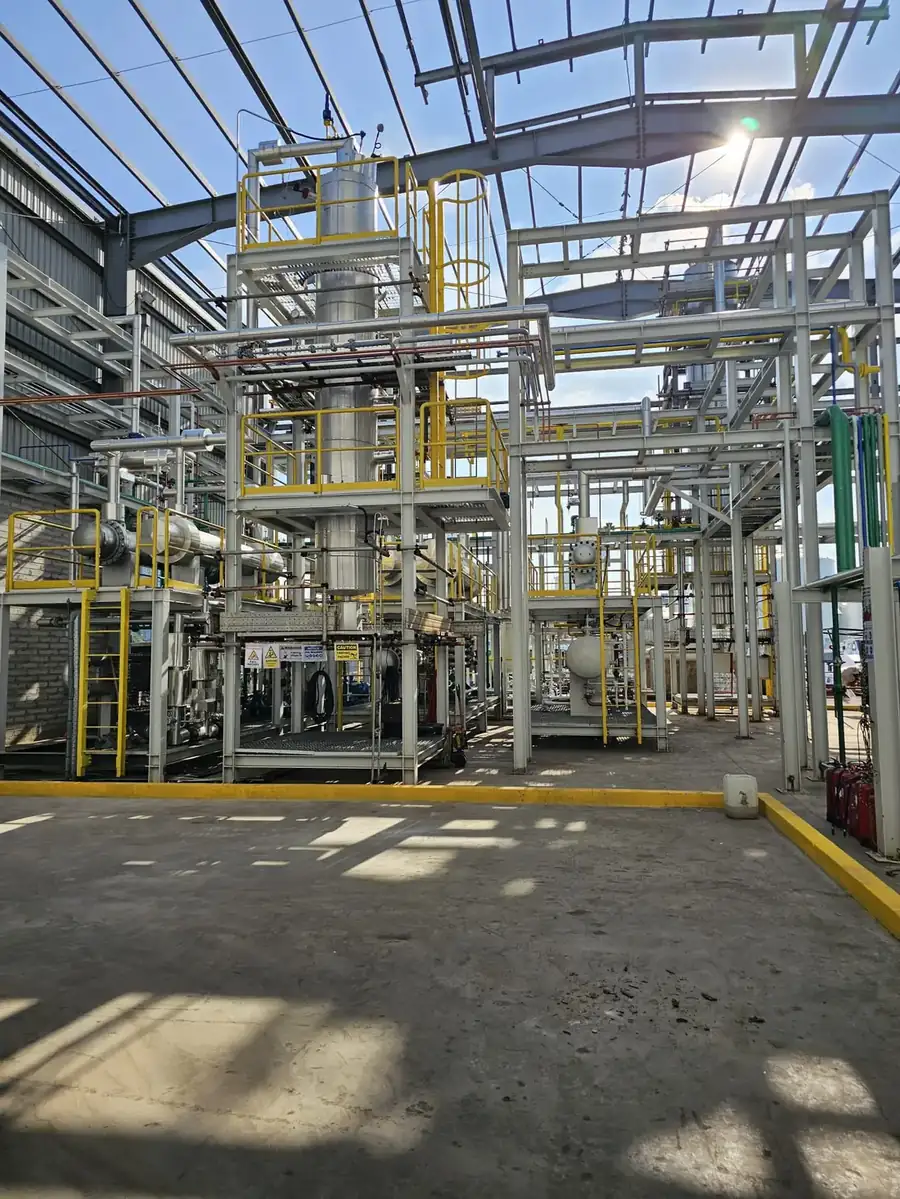
ECI refining block
Refining block — fractionation and product finishing
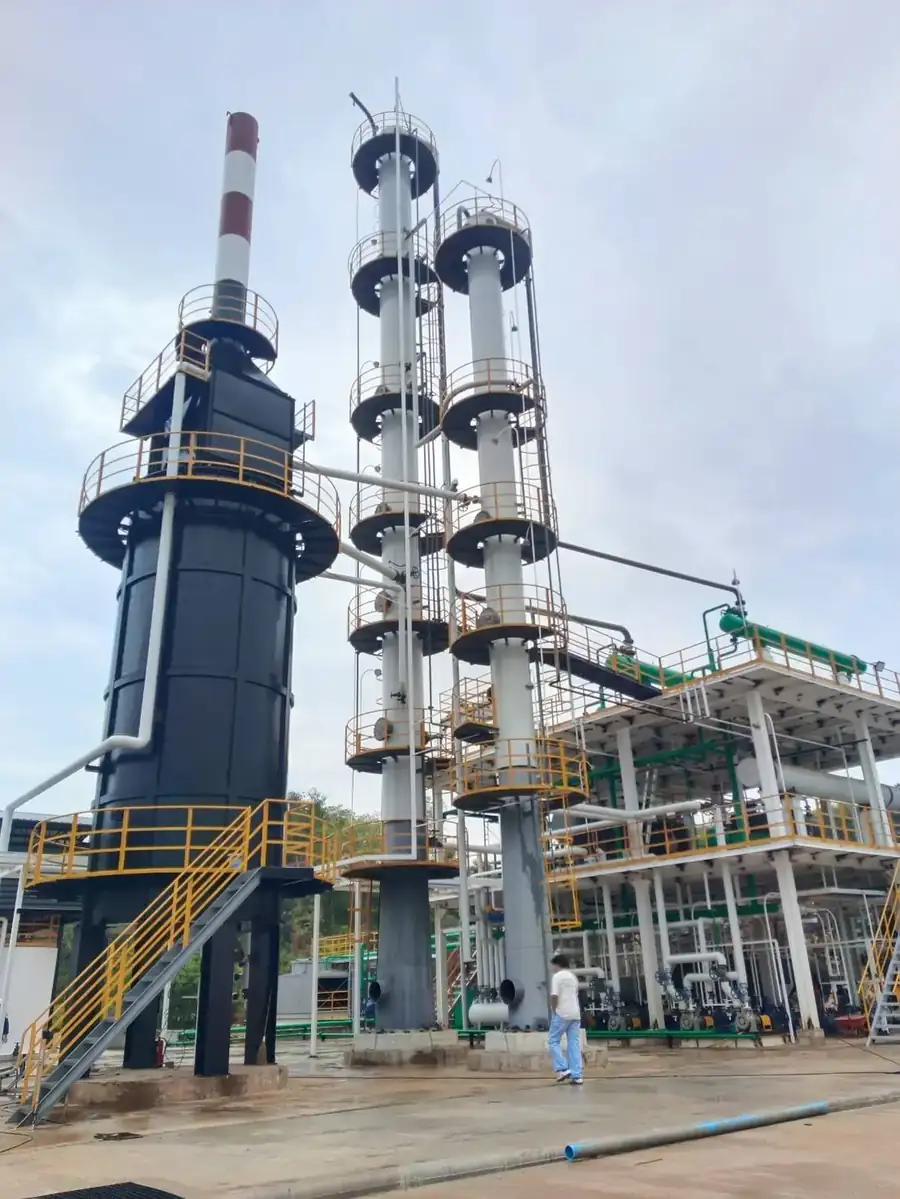
Fired heater and fractionation columns
Fired heater and distillation columns
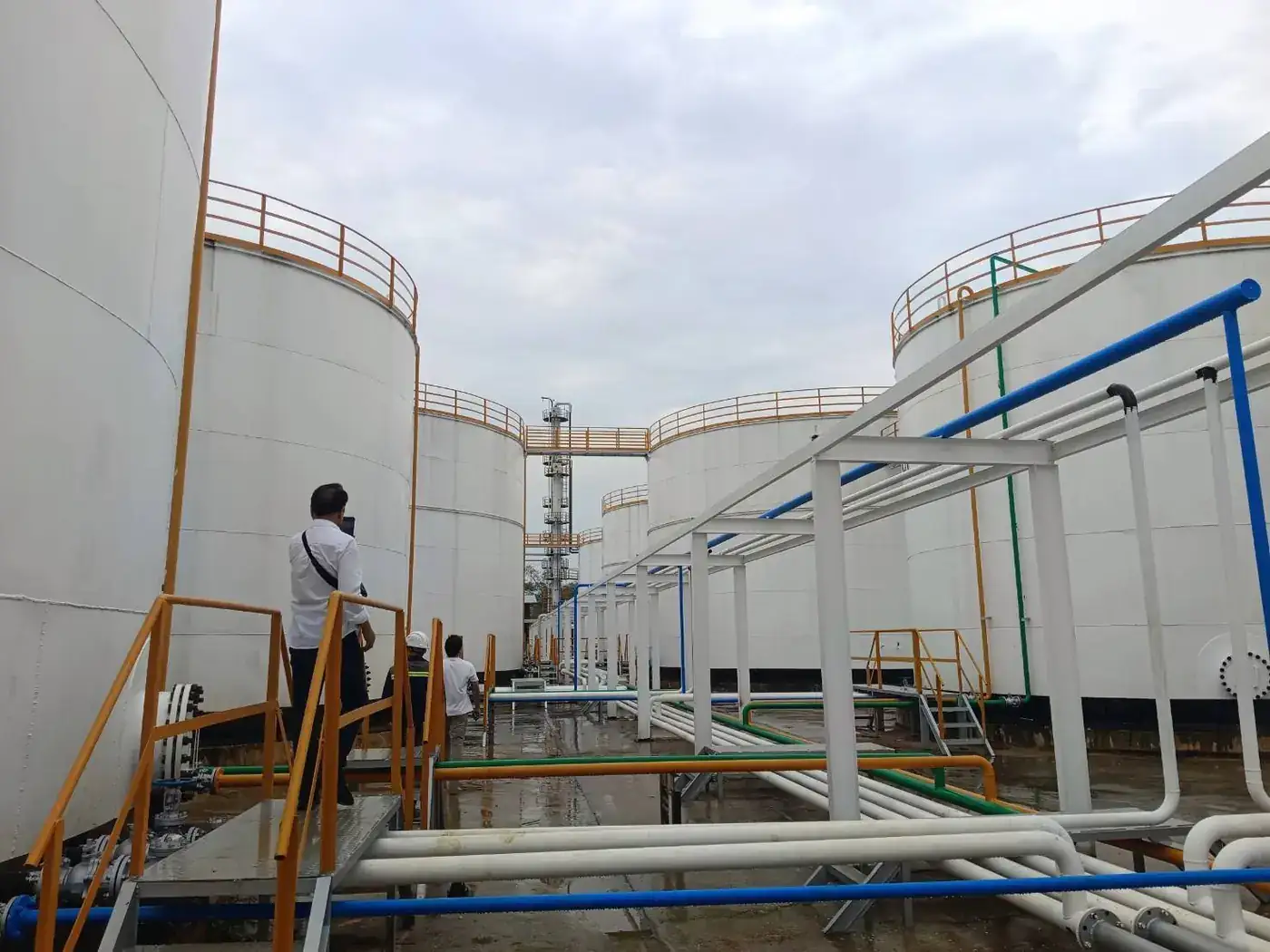
Product tank farm
Product tank farm
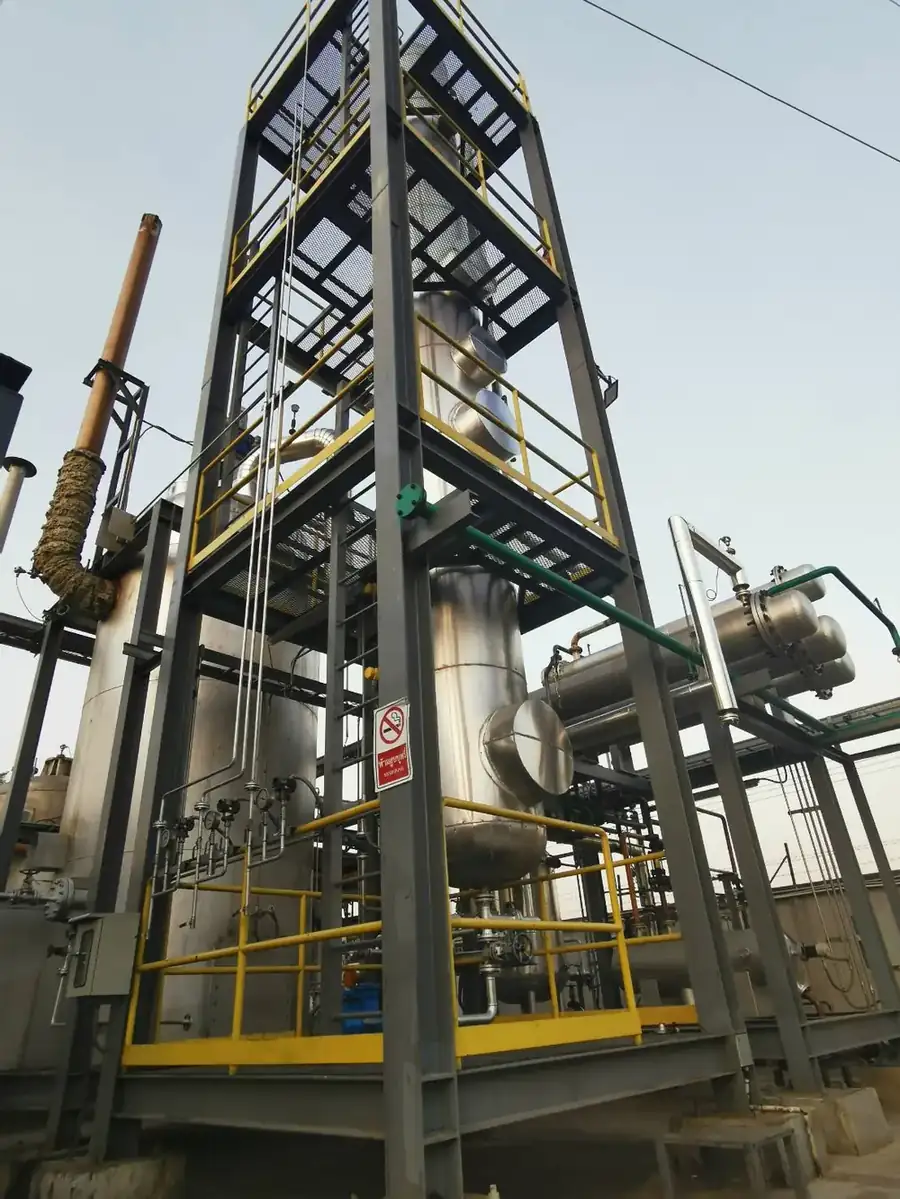
Exchanger and column detail
Chemcycle — exchanger and column detail
Inside the refining block
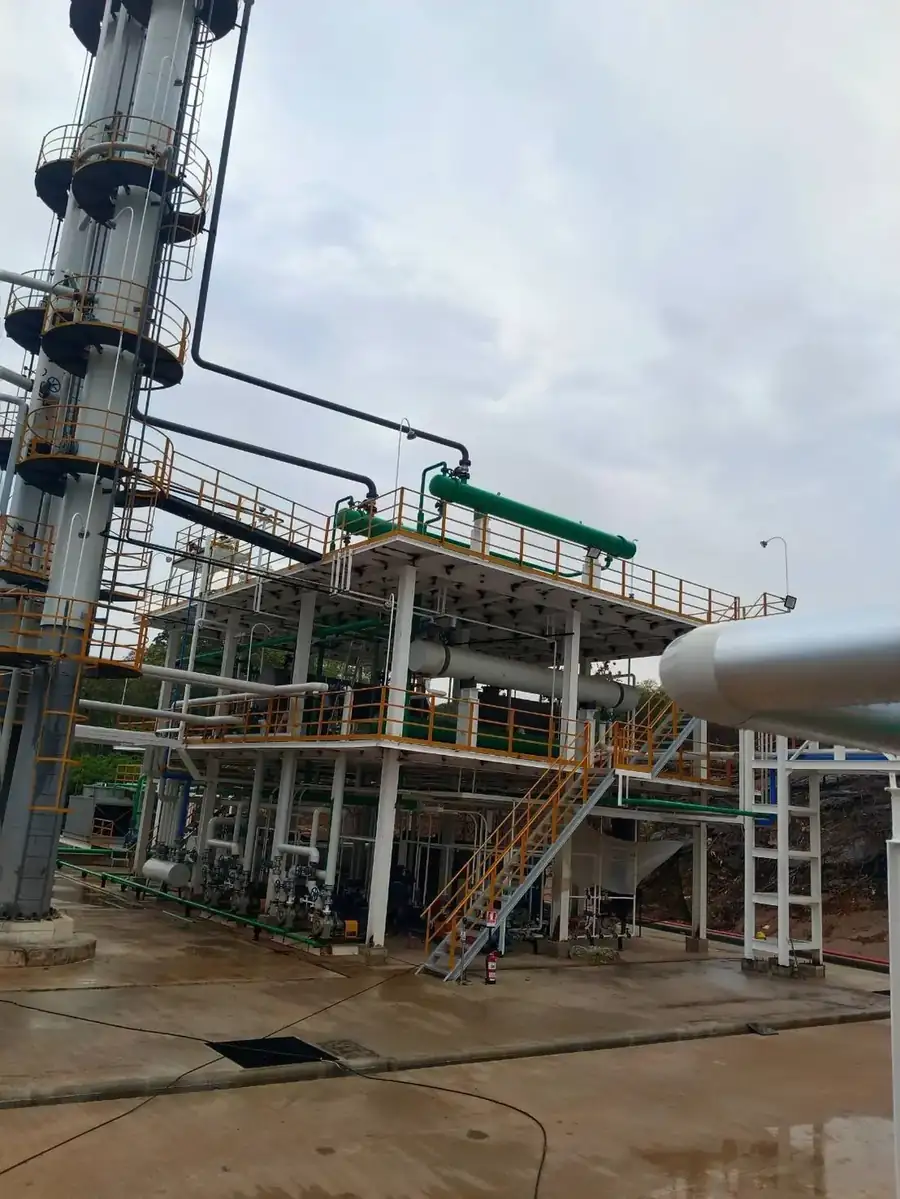
Pipe rack and process platforms
Column and elevated process platforms
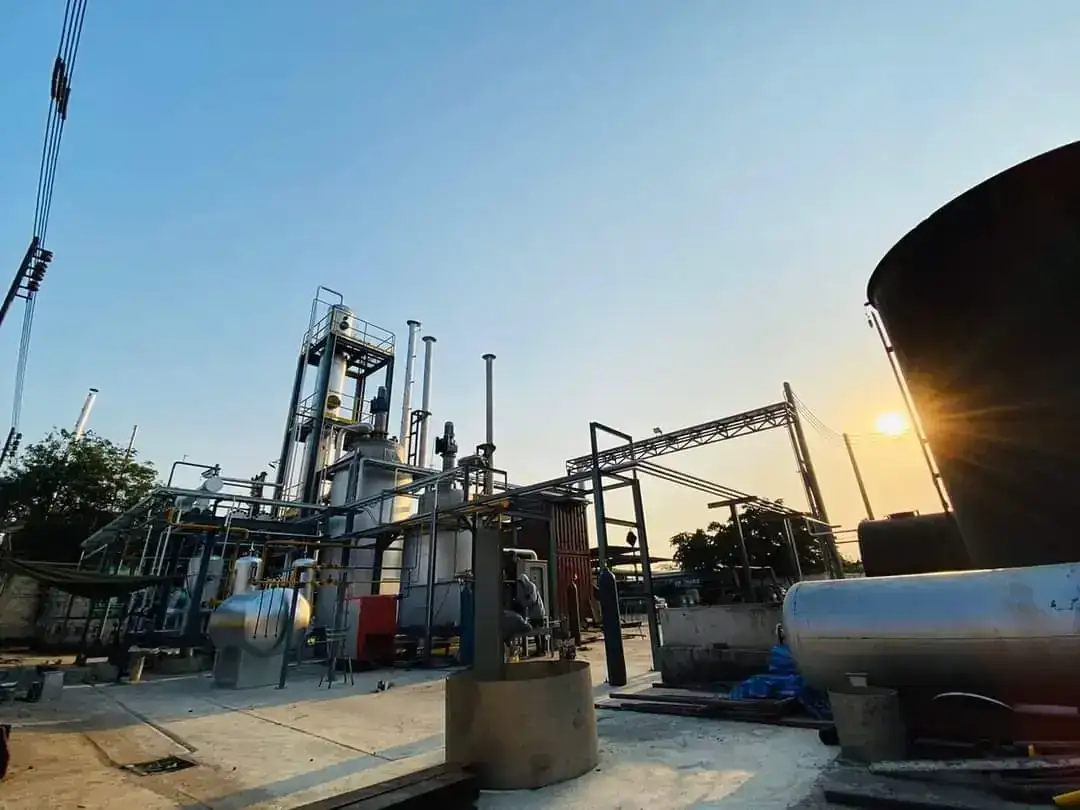
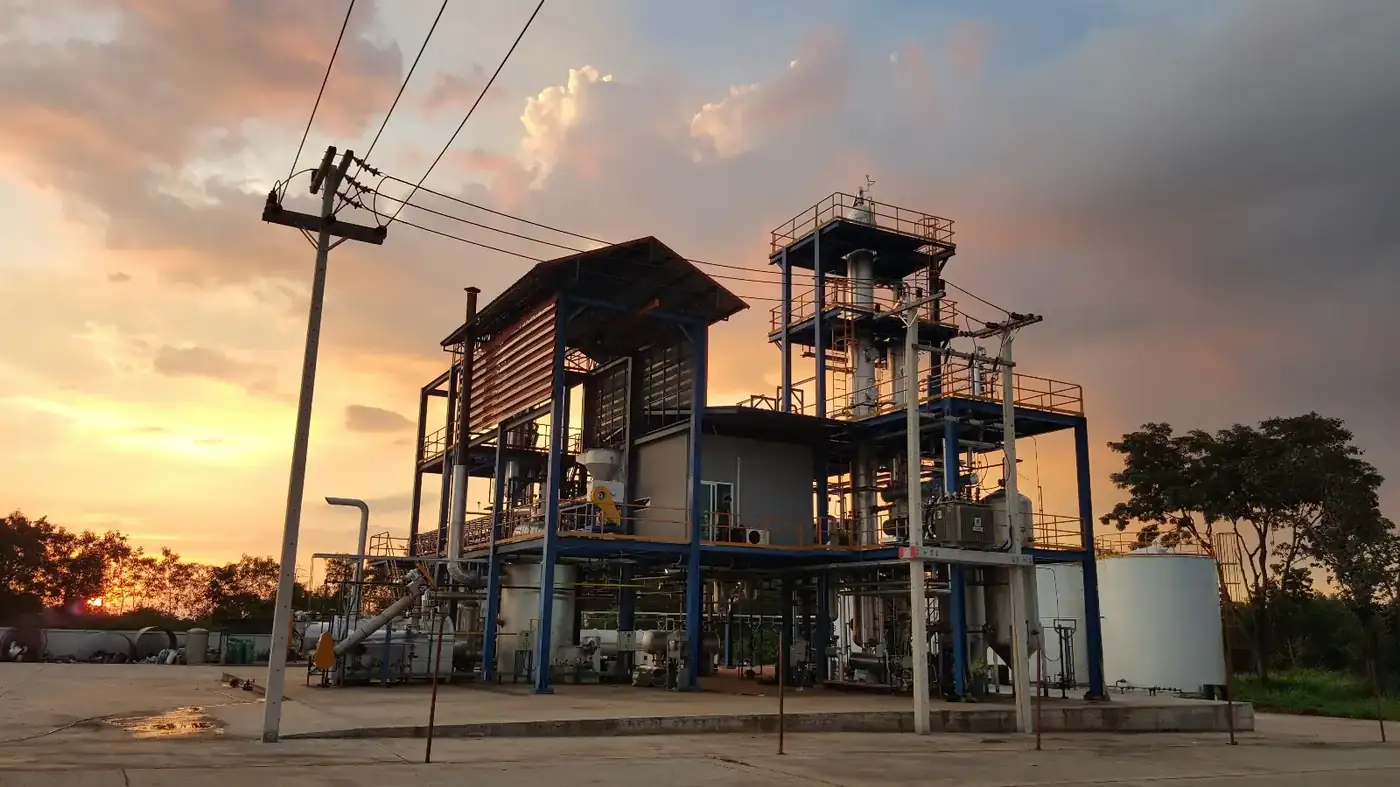
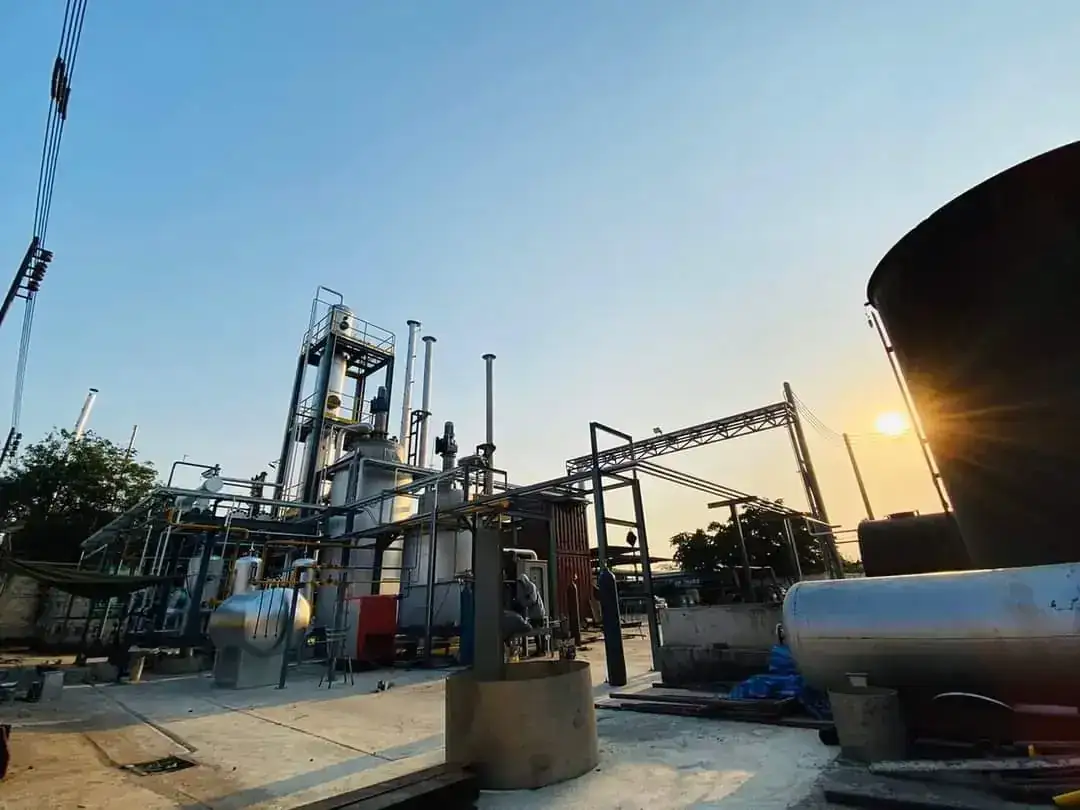
ECI plant at dusk
Chemcycle — plant at dusk
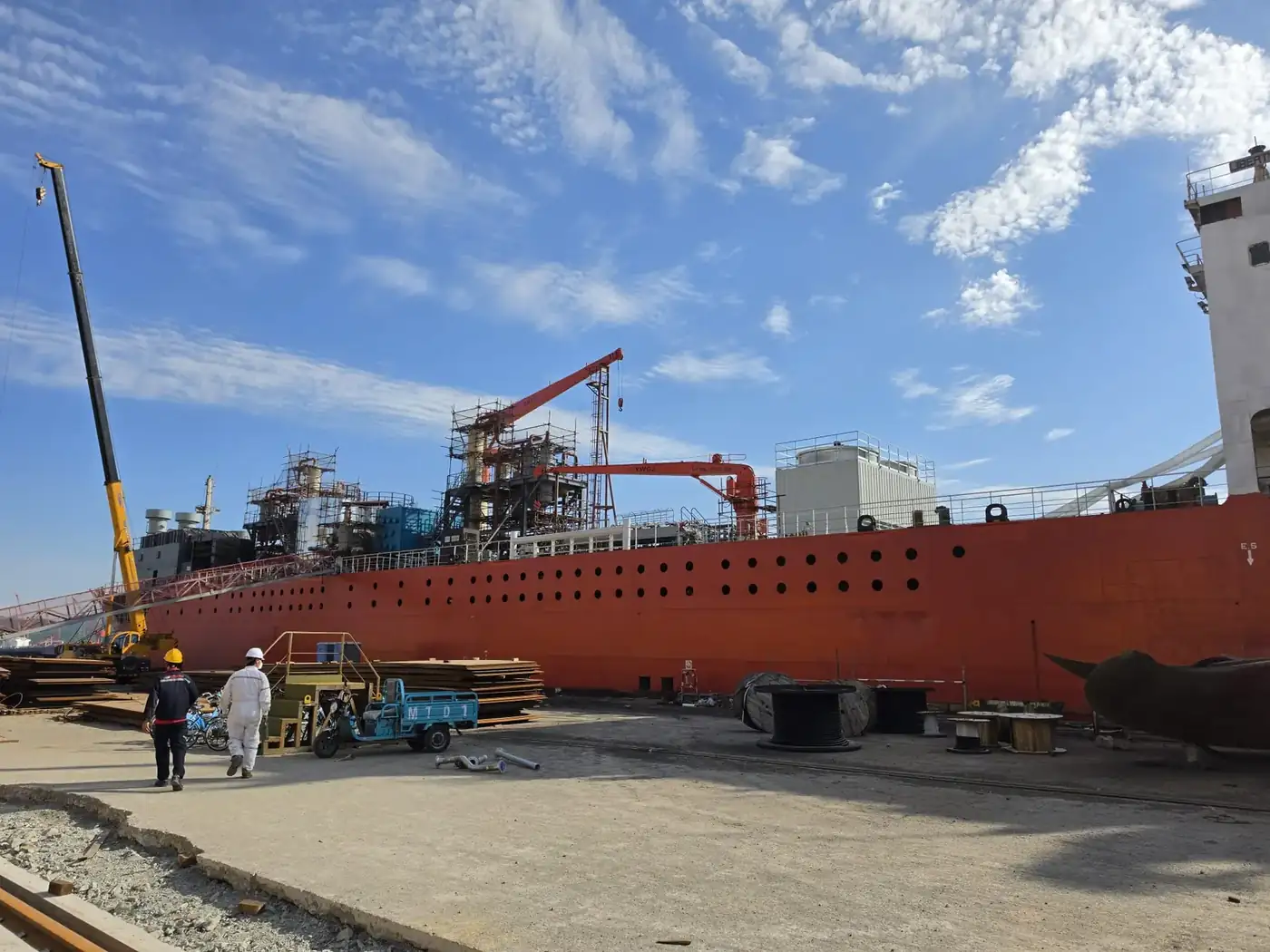
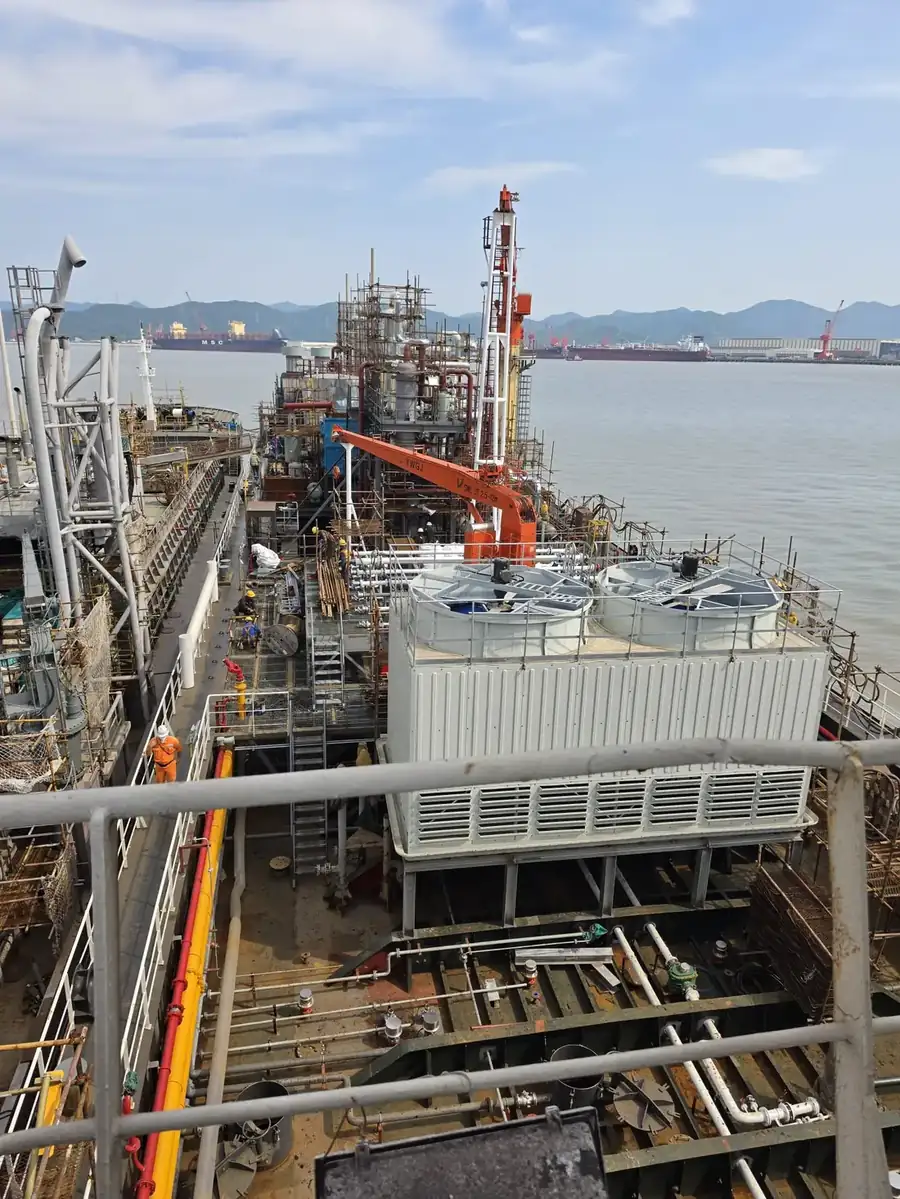
Marine installation in the fabrication yard
Marine installation — fabrication yard
Vessel-mounted process modules

Investment & joint venture

Projects are built as joint ventures.

ECI develops owner-operated plants and joint venture projects with capital and technical input from strategic partners. Chemcycle Co., Ltd. is one such joint venture. The structure of these projects is set out separately for parties who want the detail.

Read the investment case

ECI's published JV terms
  • ECI holds a minimum 50% equity stake in each joint venture
  • ECI supplies the technology and, in most instances, the feedstock
  • A first option to buy the oil output at a pre-agreed price
  • An eight-year company tax exemption for qualifying Thai projects
  • Chemcycle Co., Ltd. is one such joint venture

Project economics are provided under separate cover to qualified counterparties. Nothing on this website is an offer of securities.

Have a waste stream? Let's find the energy in it.

We work with industrial waste generators, landfill operators, fuel offtakers and joint venture partners. Tell us what you're handling and we'll tell you which route it belongs on.

Start a conversation

Contact

Talk to the people who run the plant.

Thailand — head office

ECI (Thailand) Co., Ltd.

Address1229/1 Moo 4, Tambon Nongjarbork, Amphur Muang, Nakhon Ratchasima 30000, Thailand
PlantsThailand · Singapore · Laos
Send an enquiry

Tell us what you're handling

We reply from enquiry@ecigl.com. Technical enquiries are answered by the engineering team, not a call centre.

0%
Top